

One of the most critical factors influencing work performance and job satisfaction is employee mental health. Paying attention to mental health not only demonstrates the social responsibility of organizations and businesses but also serves as a smart strategy to maximize productivity and minimize costs associated with employee health issues.
1. The importance of mental health in the workplace
Mental health directly affects employees’ ability to focus, solve problems, and be creative. Research shows that employees with good mental health typically have higher levels of commitment to the organization, take fewer sick days, and perform better at work. Conversely, prolonged stress and mental health issues can lead to burnout, decreased productivity, and increased turnover rates.

2. Challenges in maintaining mental health
One of the biggest challenges today is breaking the social stigma surrounding mental health. Many employees hesitate to seek help from others for fear of being judged and it affecting their careers. Additionally, managers often lack the knowledge and skills needed to recognize and support employees’ mental health issues.

3. Solutions to enhance mental health
3.1. Support and counseling
Employees may be reluctant to openly share personal issues; therefore, businesses should provide contact information for experts and psychologists for employees to quickly consult and learn more about mental health care. Moreover, companies should organize training sessions to raise awareness about mental health, break stereotypes, and equip employees with basic knowledge on managing emotions, stress, nutrition, and sleep.

3.2. Use of health apps
Businesses should encourage employees to use apps to monitor and address health issues promptly.

3.3. Flexible support policies
Implementing flexible policies, especially for employees with family responsibilities, is an effective method to reduce their anxiety. Support for hybrid working, remote working, short breaks during the workday, and offering paid family leave for taking care of sick relatives or childbirth can help employees feel more comfortable and balance work and personal life.

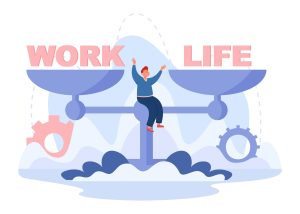
3.4. Promoting work-life balance
Businesses should require employees to stop working and take breaks as per regulations, allowing team members to interact and develop colleague relationships. To prevent employees from overworking late into the night, some companies have applied technological solutions such as setting internal servers to stop routing emails to personal accounts after work hours.
3.5. Building an open culture
Currently, most employees find it difficult to share and express emotions for fear of being judged and stereotyped. Therefore, managers should encourage a positive, open working environment where they listen to employees’ experiences to help them feel happier at work. Leaders sharing their own challenges and mental health care methods is also a motivational approach for employees to take better care of themselves.

Different employees will face various mental health issues, and it is the leader’s responsibility to identify the main stressors for their team and propose suitable solutions.
Taking care of each employee’s mental health is an ethical responsibility and an essential factor in building a sustainable organization. Investing in mental health support programs not only improves productivity and employee satisfaction but also contributes to the organization’s long-term success. Each employee aiming for a healthy, effective, and supportive work environment opens new directions for business development in the future.
