

Effective human resource management is a crucial factor leading to the success of a business. Key Performance Indicators (KPIs) play an important role in tracking, evaluating, and improving HR activities. In this article, Smart SP introduces HR KPIs, their importance, and how to develop KPIs to achieve the best results.
1. What is an HR KPIs?
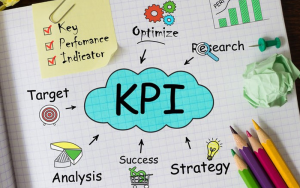
HR KPIs (Key Performance Indicators) are specific measurement metrics used to evaluate the effectiveness and performance of human resource management activities within a business. KPIs help HR managers identify areas to enhance and measure the success of HR strategies, ensuring these strategies contribute to achieving the overall business objectives and goals.
2. Benefits of HR KPIs
Establishing HR KPIs is crucial because it brings the following benefits:
- Performance Evaluation and Measurement: KPIs help assess performance visually, creating clarity and transparency, enabling managers to measure accurately and effectively.
- Accurate Decision-Making: Instead of relying on intuition, KPIs provide critical data, forming a basis for leaders to make accurate decisions.
- Strategic Goal Orientation: HR KPIs are developed based on the overall business strategy and goals, helping the HR department focus and prioritize the most important activities.
- Process Improvement: Monitoring KPIs helps identify current issues, thereby finding methods to improve processes and enhance work efficiency.
- Employee Motivation: Transparent KPIs help employees understand goals and performance measurement methods, motivating them to work towards expectations. However, managers should select appropriate indicators to avoid overwhelming employees.

3. Common HR KPIs
3.1. Turnover rate
This rate measures the number of employees leaving the company within a certain period, evaluating the stability of the workforce and the effectiveness of retention policies.
3.2. Number of CVs in recruitment campaigns
This metric reflects the effectiveness of the company’s recruitment communication strategies.
3.3. Time to hire
This indicator measures the time from the start of recruitment to hiring a new employee, helping to evaluate the efficiency of the recruitment process and employer brand.
3.4. Recruitment costs
Recruitment costs measure expenses related to hiring new employees, such as advertising, interviewing, and training costs. This metric plays a vital role in controlling and optimizing recruitment process costs.
3.5. Employee satisfaction rate
This rate is measured through periodic surveys and employee feedback on their job satisfaction, work environment, and corporate culture.
3.6. Work performance index
This metric measures the level of job completion against set goals, helping to evaluate employee productivity and effectiveness.
3.7. Training effectiveness rate
The training effectiveness rate measures the success of training programs, evaluated based on performance and skill improvements of employees after participating in training courses.

4. How to develop HR KPIs
4.1. Identify responsible individuals/departments
One approach is to assign the planning to department heads; however, each department has its own goals, leading to discrepancies or imbalances in workload between departments. Another approach is assigning tasks to individual employees, ensuring objectivity, clarity, and specificity, but it may not reflect reality. Therefore, HR managers should consider and adjust appropriately before implementation.
4.2. Determine goals
Each position, based on the job description, has different responsibilities and KPI goals. Employees are rewarded or disciplined based on their ability to meet the set goals, creating a fair and professional system within the company.
4.3. Measure appropriate KPIs
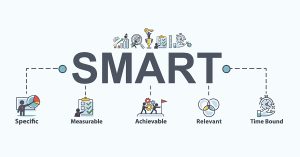
To measure appropriate KPIs, businesses should apply the SMART criteria: Specific, Measurable, Achievable, Relevant, and Time-bound.
4.4. Utilize management tools
Management tools such as HR software, data analysis software, or KPI dashboards help manage, report, and regularly monitor KPIs, enabling businesses to collect and analyze data effectively.
4.5. Evaluation and adjustment
Based on collected data, leaders can evaluate work performance, KPI completion levels, and compare them with the initial goals. From there, they can identify causes affecting HR performance and propose suitable adjustments and improvements.
5. Conclusion
HR KPIs are critical measurement metrics that help businesses evaluate performance and improve HR management effectiveness. By scientifically developing and monitoring KPIs, businesses can achieve HR goals, overall objectives, and move towards success and sustainable development.
