

In the workplace, conflicts are inevitable, arising from differences in viewpoints, misunderstandings in communication, or conflicts of personal interest. Effective conflict management and problem solving not only help maintain harmony within the team but also boost employee productivity.
1. Sources of conflict
Conflicts often arise from the following causes:
- Differences in viewpoints: Each individual has their own opinions, values, and perspectives, making conflicts likely when working in teams.
- Conflicts of interest: Conflicts can occur when team members have different personal interests.
- Misunderstandings in communication: Miscommunication can easily lead to misunderstandings and conflicts.
- Stress and work pressure: A tense work environment increases the likelihood of conflicts arising.
Conflicts, from minor disagreements to serious disputes, can reduce efficiency, morale, and create a toxic work environment, causing significant harm in various aspects.

2. Effective conflict management process
Step 1: Identify the root cause of the problem
First, listen and gather information from all involved parties to identify and understand the issue and the root cause of the conflict.
Step 2: Understand and listen
Listen to employees sincerely, without immediate judgment or criticism, and try to understand and empathize with each party’s viewpoint. This approach helps employees feel respected and encourages honesty and openness in sharing their opinions.
Step 3: Clear communication
The key to resolving conflicts is clear and effective communication, ensuring that all parties have the opportunity to present their viewpoints and that the information is conveyed clearly.
Step 4: Seek feasible solutions
Once the issue is understood, everyone should work together to find reasonable solutions, such as negotiation, compromise, or seeking external support.
Step 5: Implementation
After agreeing on a solution, implement it and monitor the process to ensure the conflict is fully addressed and does not recur.

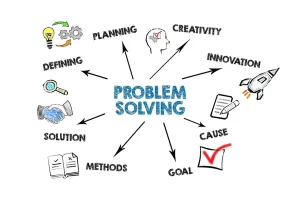
3. Problem solving skills
a. Creative thinking
Creative thinking helps employees find new and unique methods to apply to complex problems. Leadership should create an open work environment that encourages creative thinking and the free sharing of ideas.
b. Problem analysis
The more thoroughly a problem is analyzed, the easier it is to identify its causes and understand it. Use tools such as cause-and-effect diagrams and SWOT analysis to identify key factors of the issue.
c. Decision making
A crucial element in problem solving is making timely and accurate decisions. Carefully consider and evaluate the pros and cons of each option to ensure the final solution is the most optimal.
d. Teamwork
Businesses should facilitate team collaboration, where employees work together effectively, respecting each other’s opinions.
4. Conclusion
Conflicts are a natural and unavoidable part of personal and professional relationships. Instead of avoiding them, individuals should develop professional skills to overcome challenges. Managing and resolving conflicts are crucial skills for maintaining a harmonious work environment. Each conflict and problem presents an opportunity for learning and growth. Effectively addressing conflicts not only improves the work environment but also provides opportunities for personal and team development.
