

In the modern technological era and with the growing trend of remote work, outsourcing has become an effective strategy for businesses to maintain flexibility, save costs, and focus on strategic goals. However, managing outsourcing projects in this context requires a distinct approach to ensure productivity and efficiency.
Smart SP is pleased to share the best practices for implementing outsourcing in a remote work environment.
1. Select the right outsourcing partner
One of the most crucial factors in outsourcing is choosing the right partner. To ensure a successful collaboration, businesses should select partners with expertise and experience aligned with their needs. In the remote work era, evaluating partners should not only focus on professional capacity but also on their ability to work remotely. Ensure that the partner has a robust technology system, can communicate effectively, and manage tasks efficiently through online tools.

2. Set clear expectations and establish effective communication
In remote work settings, communication is key to maintaining workflow and ensuring quality. Before starting, businesses need to establish clear expectations regarding goals, deadlines, and quality standards. Setting up regular meetings to review progress and address arising issues is essential.
Tools like Zoom, Microsoft Teams, or Google Meet can facilitate effective communication and help track project progress.

3. Manage tasks using project management tools
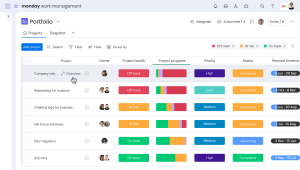
To maintain efficiency in managing remote outsourcing, project management tools such as Asana, Monday.com, or Jira are ideal choices. These tools help track each work step, clearly assign tasks, and ensure that all parties have access to necessary information. Additionally, these tools store documents and communication records, reducing misunderstandings.
4. Prioritize information security
Information security in outsourcing is always a critical issue, especially in remote work. Businesses should ensure that outsourcing partners have strict information security measures, from using security software and data encryption to privacy policies for employees and customers. Basic measures like requiring partners to sign Non-Disclosure Agreements (NDAs) or using tools like VPNs when accessing company systems are essential steps.

5. Foster a remote work culture
Maintaining a positive company culture is challenging in remote work settings. However, businesses should strive to create an open remote work environment that encourages creativity and idea-sharing among members. Online training programs, team-building activities via video calls, or informal information-sharing sessions can help build a connected and friendly work environment.

6. Monitor performance and work outcomes
Performance management is a key factor in successful outsourcing. In a remote work environment, monitoring performance requires businesses to establish clear and specific work evaluation criteria to ensure all parties commit to deadlines and quality standards.
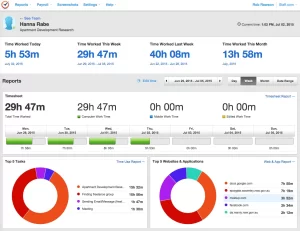
Some remote work monitoring tools include Time Doctor and Hubstaff, which help track employee work hours and analyze work efficiency.
7. Promote flexibility and readiness to adapt
Best practices in remote outsourcing also include the ability to adapt quickly to changes. Issues can arise at any time, from changes in customer demands to shifts in work requirements. Maintaining a flexible working strategy and readiness to revise plans is essential for stability and success in outsourcing.

8. Ensure timely and fair payments
One common issue in outsourcing under remote conditions is unclear or delayed payments. Businesses need to ensure that the payment process for partners is transparent and timely. Additionally, they should establish a system to monitor expenses to avoid unnecessary disputes.

Conclusion
Outsourcing in the era of remote work presents many opportunities and challenges for businesses. To succeed, businesses need clear strategies, reliable partners, and appropriate technologies to manage tasks effectively.
Smart SP Vietnam is committed to providing comprehensive outsourcing solutions across all sectors, particularly in IT. We also offer consultancy services in human resource management, training, and accounting system setup for all types of organizations, helping businesses optimize operations and enhance competitive advantages.
